
Theater as a Point of Contact
How Performance Creates Bridges Between Artists, Audiences, and Communities.
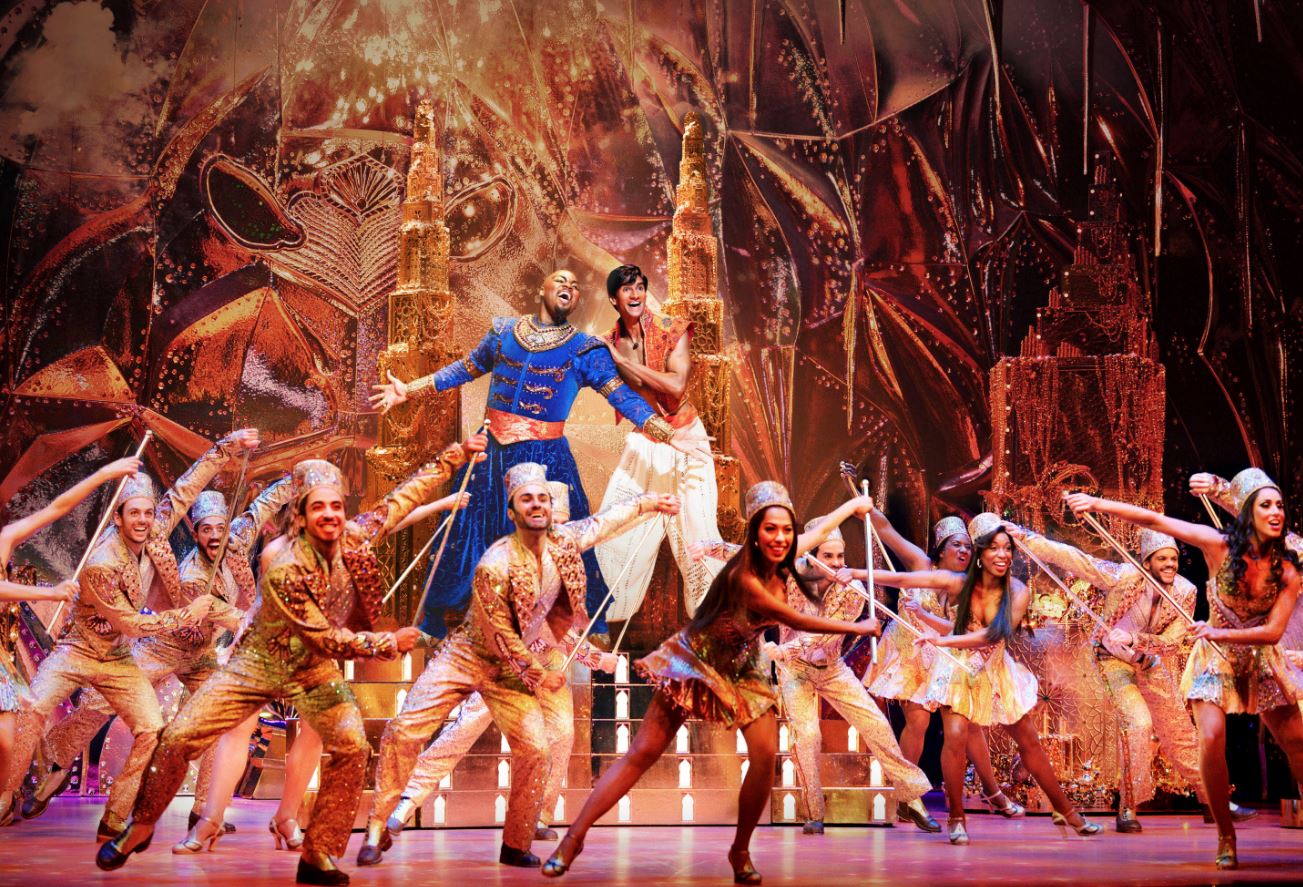
Contact Between Actor and Audience
Theater thrives on the direct relationship between performer and spectator. Unlike film or television, where screens mediate the experience, theater places living bodies in the same space. The contact is immediate and unfiltered. A glance from an actor on stage can feel directed at one person in the audience, while a laugh shared by hundreds creates a ripple of unity. This dialogue of presence shapes every performance, ensuring that no two shows are alike. Audiences bring their own energy and expectations, and actors respond in turn, creating a loop of exchange. This contact is fragile yet powerful, reminding us of the unique intimacy that live performance offers in an increasingly digital world.
Contact Through Storytelling
Theater also creates contact through narrative. Stories performed on stage are not only reflections of characters’ lives but also mirrors of the audience’s own experiences. A tragedy about loss resonates with those who have grieved, while a comedy about missteps in love invites recognition and laughter. Storytelling allows theater to bridge gaps between cultures, generations, and perspectives. A Shakespeare play performed today speaks across centuries, while a contemporary piece about identity or social justice connects to urgent issues of the present. Through story, theater makes contact with memory, emotion, and imagination, weaving individual experiences into collective understanding.
Contact Behind the Curtain
The act of creating theater is itself an ongoing process of contact among collaborators. Playwrights, directors, designers, actors, and technicians work in dialogue to bring a script to life. Rehearsals are spaces where contact is constant, where ideas are tested, bodies move in relation, and visions are refined through trial and response. Backstage, stage managers, costume crews, and technicians form the invisible network that ensures seamless transitions. These layers of contact remind us that theater is never the work of one individual but of a community united by a shared goal. The contact between collaborators is as essential as that between actors and audiences, sustaining the art form’s vitality.
Contact in Society
Theater extends contact beyond the walls of performance spaces into the fabric of society. Plays that address inequality, migration, or political conflict open dialogue on issues that might otherwise remain unspoken. Street theater, community performances, and educational programs bring the stage to new audiences, ensuring that contact is not limited to traditional theaters. Broadway dazzles with spectacle, but community theater builds bridges in neighborhoods, schools, and public squares. These forms of contact demonstrate that theater is not only about entertainment but also about fostering civic engagement, empathy, and social transformation.
Contact Across Time and Culture
Theater creates contact not only in the present but across time. Ancient plays still performed today connect us with the thoughts and emotions of distant generations. A chorus in a Greek tragedy speaks words written thousands of years ago, yet their resonance is felt in the present moment. Similarly, cultural exchanges in theater festivals allow traditions to meet and influence one another. Japanese Noh theater can be appreciated by Western audiences, while global adaptations of Broadway shows create hybrid forms of performance that speak in multiple languages at once. Theater is a universal thread, weaving together human experiences across eras and borders.
The Future of Contact in Theater
Theater continues to explore new ways of making contact. Digital technologies now allow audiences to watch performances remotely, expanding access while raising questions about the essence of live contact. Hybrid performances that blend physical and digital presence create innovative encounters, showing that contact can evolve without losing immediacy. As issues of representation and inclusivity gain prominence, theater is redefining who gets to tell stories and who gets to be heard. The future of theater’s contact lies in its adaptability, its ability to merge tradition with innovation while maintaining its core: the meeting of human beings in shared imagination.
Contact as Theater’s Essence
At its core, theater is defined by exchange. It emerges through the meeting of performers and spectators, the coordination of creative teams beyond the spotlight, the relationship between narrative and society, and the continuity linking cultures across generations. Each presentation becomes an act of reaching outward, offering presence while inviting response in return. This quality is what keeps live theater essential, even within a world saturated by digital entertainment. Rather than simply presenting stories, it forges relationships, drawing people together and reinforcing a sense of shared human experience. In this way, theater endures as an art rooted in communication, sustaining imagination through direct, human connection.