
The Hidden World of Backstage
How the Unseen Work Behind the Curtain Shapes the Magic of Theater.
Backstage as the Engine of Performance
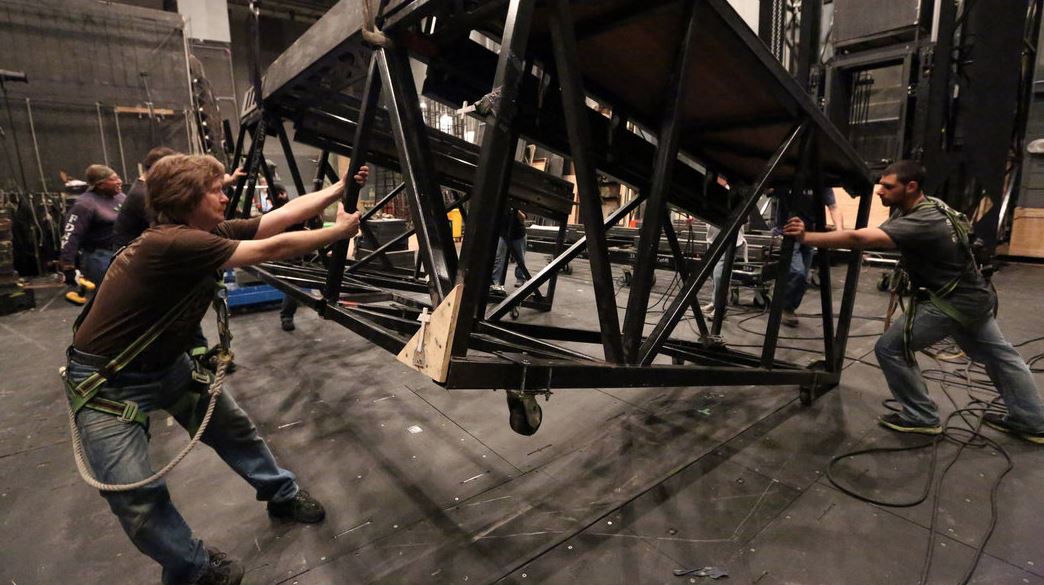
For every dazzling scene under the spotlight, an entire world hums with precision behind the curtain. Backstage is the engine of theater, a place where invisible hands and quiet coordination ensure that what the audience sees is seamless and alive. Stage managers call cues, technicians handle lights and sound, dressers assist with split-second costume changes, and prop masters keep every detail in order. Without this hidden machinery, the illusion of theater would falter. Backstage is not simply support but an integral part of performance itself, transforming chaos into rhythm and vision into reality. It is a realm where discipline, creativity, and teamwork meet in the service of storytelling.
The Role of the Stage Manager
At the center of backstage operations stands the stage manager, often described as the unseen conductor of the production. Responsible for calling cues, managing rehearsals, and ensuring communication between directors, cast, and crew, the stage manager maintains the pulse of the show. During performances, their headset becomes the nerve center, coordinating lights, sound, set changes, and actors’ entrances. Beyond logistics, stage managers provide stability and reassurance, especially when unpredictable situations arise. A missed line, a malfunctioning prop, or a late entrance is met not with panic but with swift adjustment guided by the stage manager’s calm presence. They embody the principle that while the audience may never see them, the success of the performance rests on their shoulders.
Technical Craft: Lights, Sound, and Set
The magic of theater relies on technical crafts that transform stages into living worlds. Lighting designers paint with brightness and shadow, shifting mood and focus to guide emotional response. Sound designers layer effects and music, building environments as diverse as a bustling street or a quiet interior. Set designers and builders translate vision into tangible landscapes, often with moving parts that require split-second precision. During a performance, technicians backstage execute these designs in real time, ensuring transitions feel effortless. A missed cue or mistimed effect can break the illusion, but when executed flawlessly, the audience never thinks of the work behind it. These crafts turn abstract scripts into visceral experiences, making technical artistry as essential as performance.
Costumes, Makeup, and Quick Changes
Backstage is also the domain of costume designers, dressers, and makeup artists who create the visual identities of characters. A costume communicates history, status, and personality before a line is spoken, while makeup highlights expression under harsh stage lights or transforms actors into entirely new beings. The backstage area during intermission or scene changes often becomes a whirlwind of activity, with actors swapping elaborate outfits in seconds. Dressers work with efficiency and discretion, ensuring the performer re-enters seamlessly. These quiet, urgent transformations are themselves performances, unseen but critical to sustaining continuity and believability. Backstage costume and makeup crews embody the artistry of invisibility, crafting identities while remaining anonymous.
The Choreography of Crew Movement
Backstage is itself a performance, a choreography of movement executed in darkness and silence. Stagehands shift scenery with practiced precision, often working in near invisibility while actors perform only feet away. Fly operators raise and lower backdrops, sometimes maneuvering tons of equipment smoothly and without distraction. This hidden ballet ensures that audiences remain immersed in the story, never noticing the transitions that keep it flowing. Crew members develop an almost instinctive sense of timing and communication, knowing when to move, pause, and step aside. For them, applause comes not from recognition but from the satisfaction of flawless execution, where invisibility equals success.
Backstage as a Community
Life backstage fosters its own unique culture. Long hours of rehearsal and performance create bonds between cast and crew, forming a family built on trust and shared responsibility. Rituals and traditions, from inside jokes to pre-show routines, strengthen morale and create continuity across productions. Backstage is often where nerves are calmed, encouragement is shared, and the human side of performance thrives. It is also where challenges are faced collectively, whether it is repairing a broken prop minutes before curtain or rallying when illness strikes a lead. The backstage community embodies the collaborative spirit of theater, proving that the show truly belongs to everyone involved.
The Audience’s Invisible Partner
While audiences come to see actors and stories unfold under bright lights, the reality is that backstage is their invisible partner. Every gasp of wonder or tear of recognition is supported by those who remain unseen, orchestrating the conditions for emotional impact. The paradox of backstage is that its success is measured by invisibility: when all goes well, no one notices the complexity of what is happening just out of sight. Yet this invisibility is itself a kind of artistry, requiring discipline, creativity, and sacrifice. The audience may applaud the actors, but the echoes of that applause always reach backstage, where the silent machinery of magic has made it possible.
Backstage as the Soul of Theater’s Magic
Backstage is not a secondary world but the soul of theater’s magic. It is where art and logistics meet, where silent collaboration makes visible performance possible. From stage managers and technicians to costumers and stagehands, the backstage crew sustains the illusion that captivates audiences. It is a world defined by invisibility, yet filled with artistry, precision, and community. Without backstage, theater would lose its rhythm, its continuity, and its ability to astonish. The next time the curtain rises, what the audience sees is only half the story. The other half, unseen but essential, lives backstage, where the true heartbeat of theater quietly thrives.