
Broadway as the Epicenter of Theatrical Imagination
How New York’s Legendary Stage District Became a Global Symbol of Performance.
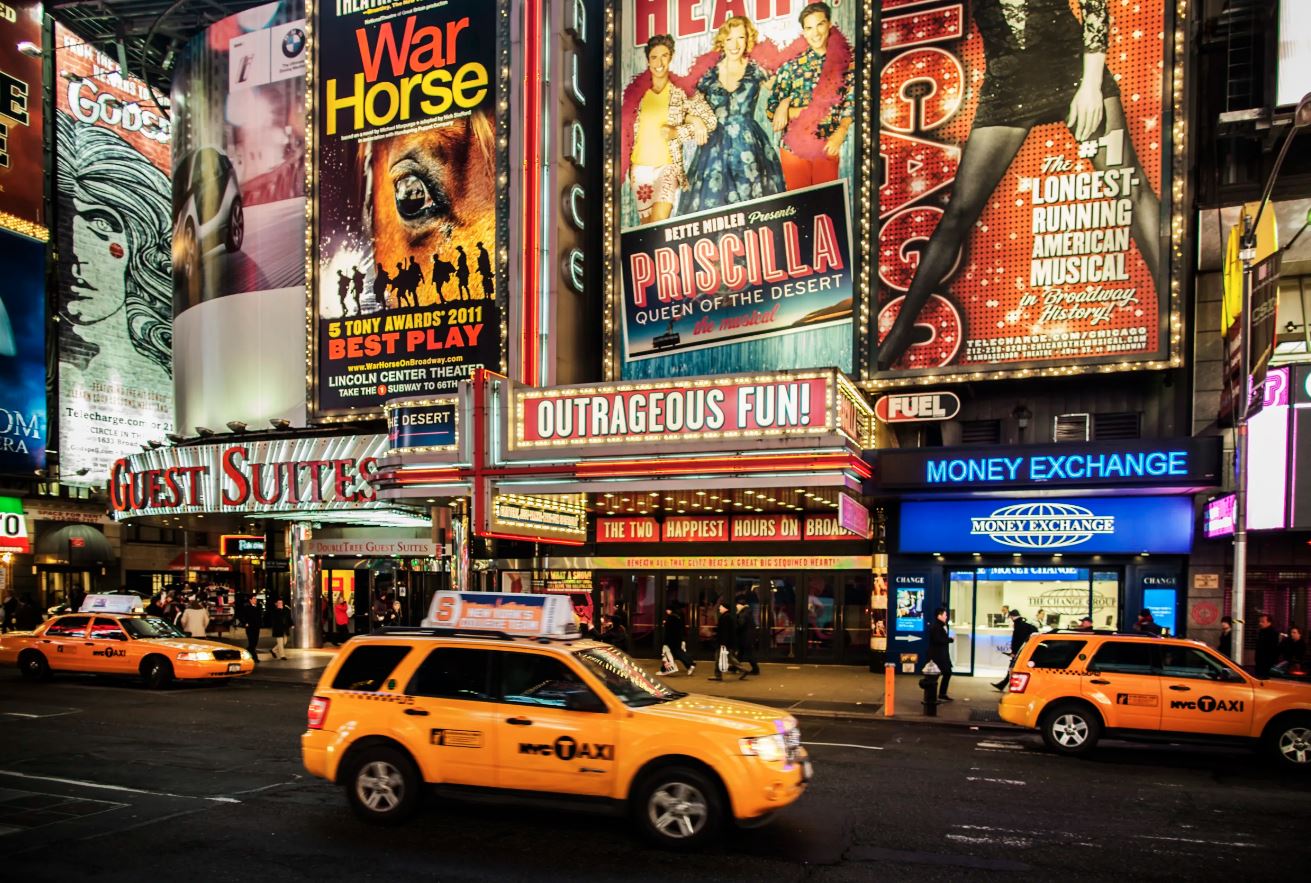
The Origins and Rise of Broadway
Broadway’s story begins in the late nineteenth century, when New York City emerged as a cultural capital and theater gradually shifted northward to what would become the famous Theater District. Initially a blend of vaudeville, operettas, and plays, Broadway began to distinguish itself with large-scale productions that emphasized spectacle and innovation. The advent of electric lighting on Broadway stages in the 1880s transformed the audience’s experience, making nighttime performances dazzling and accessible. By the early twentieth century, Broadway had become synonymous with ambition, artistry, and entertainment, attracting talent from across the United States and beyond. Its rise reflected both the energy of New York City and the hunger of audiences for theatrical experiences that combined storytelling, music, and visual grandeur.
The Golden Age of Broadway Musicals
The mid-twentieth century is often described as the Golden Age of Broadway, marked by the creation of musicals that continue to define theatrical excellence. Shows like Oklahoma!, West Side Story, and The Sound of Music established the musical as a uniquely American art form, blending narrative with song and dance in ways that resonated globally. This era elevated composers and lyricists such as Rodgers and Hammerstein, Leonard Bernstein, and Stephen Sondheim to legendary status. Broadway musicals became cultural landmarks, their songs entering popular consciousness and their stories reflecting the dreams and struggles of their times. The Golden Age demonstrated that Broadway was not just about entertainment but about shaping cultural identity and telling stories that spoke to universal human experiences.
Broadway as a Mirror of Social Change
Broadway has long been a platform where societal issues are explored and confronted. Productions like A Raisin in the Sun brought racial inequality to the forefront, while Rent addressed the struggles of the AIDS crisis and the resilience of community. Hamilton redefined representation by casting actors of color in the roles of America’s Founding Fathers, merging hip-hop with history to create a cultural phenomenon. Broadway reflects its era, amplifying marginalized voices and engaging audiences in conversations that extend far beyond the theater walls. In this way, Broadway is not only a stage for performance but also a stage for dialogue, change, and progress.
The Business and Culture of Broadway
Broadway is both an artistic institution and a thriving industry. The economic impact of Broadway on New York City is immense, drawing millions of tourists annually and generating billions in revenue. Its theaters employ actors, musicians, stagehands, designers, and countless behind-the-scenes professionals. This scale of operation has made Broadway productions some of the most ambitious in the world, often involving years of development and substantial investment. Yet the commercial aspect has also raised questions about accessibility and diversity, as ticket prices soar and opportunities for experimental work remain limited. Despite these challenges, Broadway continues to balance art and commerce, producing works that achieve both critical acclaim and mass appeal.
Broadway’s Global Influence
Broadway’s reach extends far beyond New York. Touring productions bring shows to cities across the United States and around the world, while adaptations in London’s West End and other international theaters cement its global impact. The Broadway model has influenced performance traditions worldwide, inspiring local adaptations that merge global spectacle with local culture. Moreover, the recording and streaming of Broadway shows, such as the filmed version of Hamilton, have expanded access, allowing audiences who may never visit New York to experience Broadway magic. This globalization ensures that Broadway is not only a geographic location but also a cultural idea: the pinnacle of live theatrical achievement.
Broadway in the Digital Age
Technology has fundamentally altered the way Broadway connects with the public. Social platforms now play a major role in promoting productions, giving audiences direct access to performers, behind-the-scenes moments, and shared conversations that extend beyond the theater walls. Digital archives and streaming access have widened exposure, allowing performances to reach people who might never attend in person. At the same time, advancements in projection design, sound engineering, and immersive staging techniques have expanded the creative possibilities of live productions. The COVID-19 pandemic disrupted long-standing traditions, forcing theaters to close for an unprecedented length of time and challenging the industry’s foundations. The eventual return of live audiences demonstrated both resilience and cultural necessity. Many digital strategies developed during that period continue to shape how Broadway communicates, blending established traditions with evolving forms of engagement.
The Future of Broadway
Looking forward, Broadway faces both opportunities and challenges. Issues of representation, equity, and sustainability are shaping conversations about its future. New voices are emerging, bringing fresh perspectives to the stage and ensuring that Broadway remains relevant to younger, more diverse audiences. Sustainability in production design and operations is becoming increasingly important as theaters consider their environmental impact. Hybrid forms that combine live performance with digital accessibility may expand Broadway’s reach while preserving its essential liveness. The future of Broadway will likely be defined by its ability to balance its heritage of spectacle with its role as a stage for innovation and inclusivity.
Broadway as Living Legacy
Broadway is more than a district of theaters; it is a living legacy of artistic ambition, cultural reflection, and collective experience. It represents the heights of performance while grounding itself in the immediacy of live storytelling. From the Golden Age classics to groundbreaking contemporary works, Broadway has proven that theater can both dazzle and provoke, entertain and transform. It stands as a reminder that in the age of digital media, there is still nothing like the electricity of a live performance, the hush before the curtain rises, and the applause that unites audience and actor in a fleeting yet unforgettable moment. Broadway endures as the epicenter of theatrical imagination, forever reinventing itself while remaining true to its spirit of presence, artistry, and connection.