
The Living Heart of Theater
Why Performance Continues to Shape Culture and Imagination.
Theater as Humanity’s First Stage
Theater has existed as long as humans have gathered to tell stories. Ancient rituals that combined song, movement, and narrative laid the foundation for what we now recognize as performance. In Greece, theater became a civic event, uniting communities in amphitheaters where myths, tragedies, and comedies unfolded under open skies. These performances were not only entertainment but also reflections on morality, politics, and identity. The Romans expanded theater with grand spectacles, while medieval Europe revived it through morality plays performed in public squares. Each era reinvented the stage to mirror its values, proving that theater is more than an art form. It is a social practice, a ritual of gathering and imagining together.
The Evolution of Performance Spaces
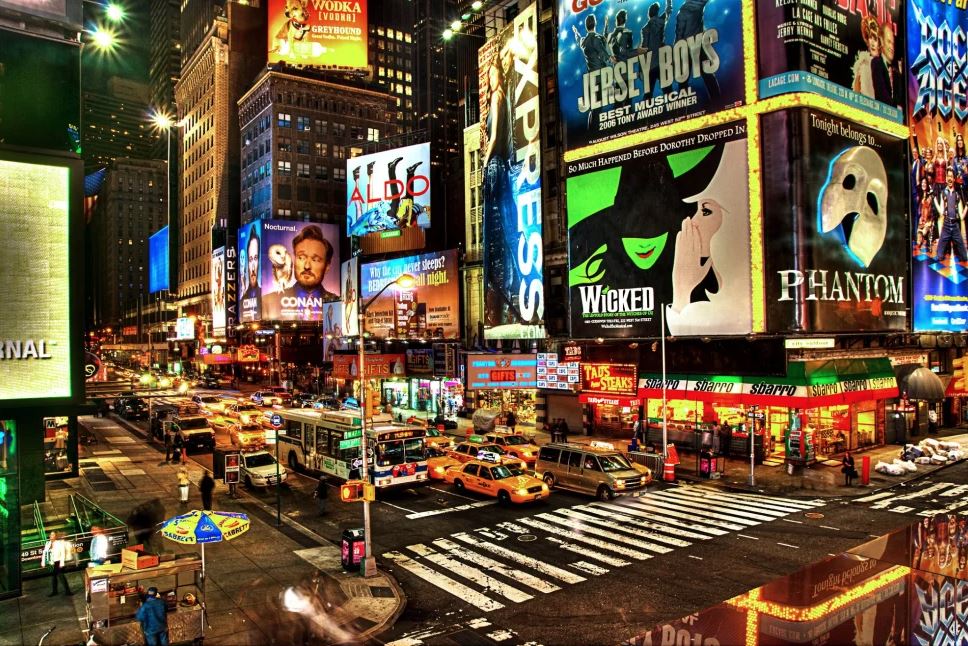
The spaces where theater is performed have always shaped the way audiences experience it. From the stone amphitheaters of antiquity to the candlelit stages of Elizabethan England, architecture created intimacy or grandeur, shaping the audience’s role as participants in the spectacle. The Globe Theatre made audiences part of the action, with groundlings standing close to the actors, while Renaissance opera houses introduced elaborate proscenium arches that framed performances like paintings. Today, Broadway theaters, black box spaces, and immersive venues each offer distinct experiences. A Broadway musical dazzles with scale, a small theater emphasizes intimacy, and site-specific performances transform unexpected locations into stages. These evolving spaces demonstrate theater’s adaptability and its ability to meet audiences where they are.
The Magic of Live Performance
What makes theater unique among the arts is its liveness. Every performance is a fleeting, unrepeatable moment shaped by the interplay between actors and audience. Unlike film or television, theater cannot be paused or replayed. Its impermanence gives it intensity. An actor’s voice cracking in a monologue or a pause extended by audience laughter creates a shared moment that will never occur in exactly the same way again. This vulnerability is not a weakness but the essence of theater’s power. It reminds audiences that performance is human, immediate, and alive. In a digital world where so much is recorded and replayed, theater preserves the magic of presence.
Broadway as Global Icon
Broadway represents the pinnacle of theatrical performance, a cultural beacon recognized around the world. It is more than a district in New York City; it is a symbol of aspiration, artistry, and achievement. From classics like The Phantom of the Opera and Les Misérables to groundbreaking contemporary works like Hamilton, Broadway has set standards for musical theater and live performance. Its influence extends beyond New York, inspiring regional theaters, touring productions, and international adaptations. Broadway thrives because it balances tradition with innovation, offering audiences both timeless classics and bold new stories. It is proof that theater, even in an age of digital entertainment, can still captivate millions.
Theater as Reflection and Provocation
Theater does more than entertain. It reflects society back to itself and provokes audiences to think critically. Plays like Death of a Salesman dissect the American Dream, while works such as A Raisin in the Sun illuminate racial struggles and aspirations. Experimental theater challenges conventions, using performance to question politics, identity, and meaning itself. By staging human conflict, joy, and complexity, theater becomes a mirror of its time and a tool for dialogue. It is both comfort and confrontation, reminding audiences of shared humanity while asking them to consider change.
The Role of Technology in Contemporary Theater
While theater is rooted in ancient traditions, it continues to embrace innovation. Projection mapping, advanced sound design, and augmented reality are expanding what is possible on stage. Digital backdrops can transport audiences across worlds, while interactive technologies allow spectators to influence outcomes. Yet technology never replaces the live presence of actors; instead, it enriches the storytelling. Hybrid performances that blend digital streams with live elements have emerged, especially during global challenges that limited physical gatherings. This adaptability shows that theater remains resilient, evolving without losing its essence.
Theater as a Communal Experience
At its heart, theater is about community. Audiences gather not only to watch a story unfold but also to experience it collectively. The laughter of strangers, the silence during a dramatic pause, and the standing ovation at curtain call all create bonds among people who may never meet again. For actors, the presence of an audience shapes performance, creating an invisible dialogue between stage and seats. This communal energy is why theater continues to matter. It reminds us that despite divisions and distractions, we are capable of coming together in shared imagination and emotion.
Theater as Enduring Flame
Theater is not an art of permanence but of presence. It exists in the moment, alive only as long as the curtain is raised and the lights shine on the stage. Yet this impermanence is precisely why it endures. Theater is an act of contact, a bridge between past and present, artist and audience, imagination and reality. From ancient amphitheaters to Broadway’s bright lights, it continues to shape culture and inspire generations. Theater remains an enduring flame, reminding us that in every story told live, we rediscover what it means to be human together.